

Why Won’t My Breastfed Baby Take a Bottle? Tips to Help Your Baby Adjust


Why Won’t My Breastfed Baby Take a Bottle?
You have pumped milk ready, the bottle is prepared, and your baby is hungry. But when you offer the bottle, your baby turns away, pushes the nipple out, cries, or refuses to suck.
It can be frustrating, especially if you are preparing to return to work, need to be away from your baby, or simply want another caregiver to be able to feed them.
The good news is that bottle refusal does not necessarily mean something is wrong. Breastfeeding and bottle-feeding involve different sensations and feeding mechanics, and some babies need time to adjust.
Here are some common reasons your breastfed baby may be refusing a bottle and what you can do to help.

1. Your Baby Prefers Breastfeeding
Breastfeeding is familiar. Your baby knows your smell, your voice, the feel of your breast, and the way milk flows during nursing.
A bottle feels different. The nipple has a different shape and texture, and milk may flow faster or slower than your baby expects. Your baby may also associate feeding with the comfort and closeness of breastfeeding.
What to try:
- Have another trusted caregiver offer the bottle while you step out of the room.
- Hold your baby close in a comfortable position without trying to force the nipple into their mouth.
- Allow your baby to explore the bottle nipple before expecting a full feeding.
- Offer the bottle regularly in short, relaxed practice sessions.
Some babies accept a bottle more readily from someone other than the breastfeeding parent. Others need time to become comfortable regardless of who offers it.
2. Your Baby Is Not Hungry Enough—or Is Already Too Hungry
Timing can make a difference. A baby who has just breastfed may not be interested in a bottle. On the other hand, a baby who is extremely hungry may become upset and have difficulty learning a new feeding method.
What to try:
- Offer the bottle when your baby is calm and beginning to show hunger cues, such as bringing their hands to their mouth or turning toward a caregiver.
- Avoid waiting until your baby is crying hard from hunger.
- If your baby becomes upset, pause and soothe them before trying again.
- If your baby continues to refuse the bottle, offer their usual feeding method rather than withholding milk to encourage bottle acceptance.
The goal is to help your baby associate the bottle with a comfortable feeding experience, not pressure.
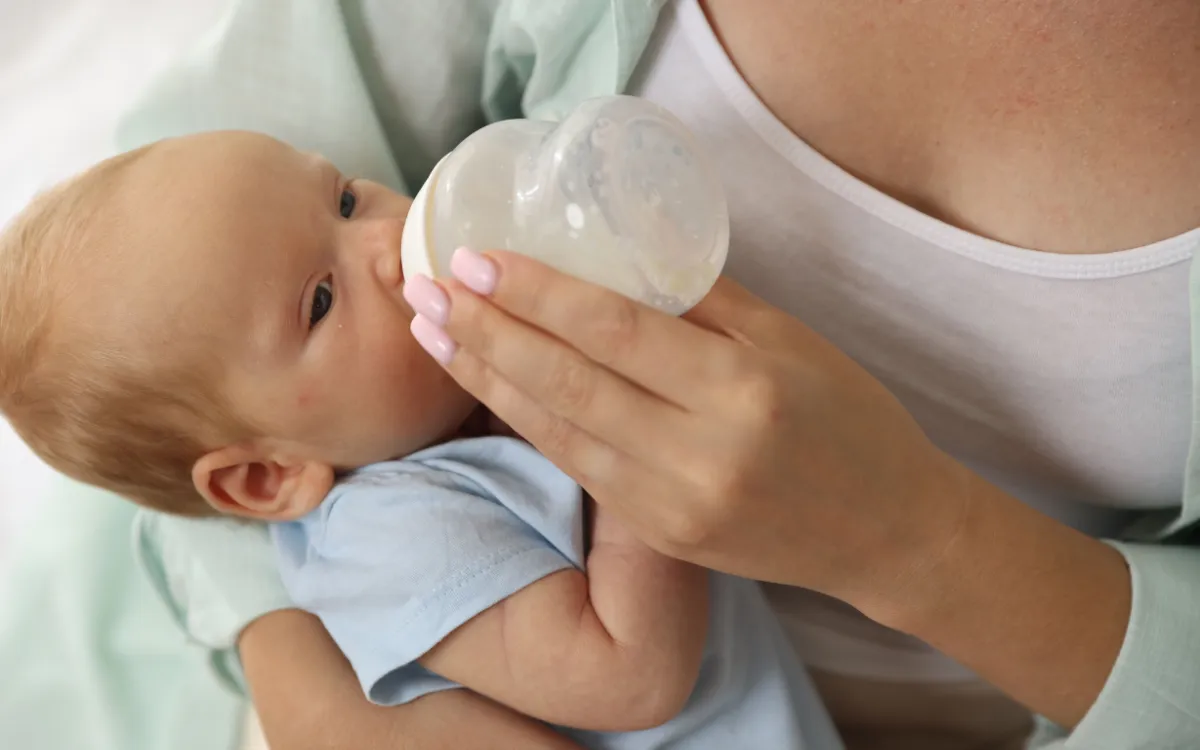
3. The Bottle Nipple or Milk Flow Does Not Feel Right
Some babies are sensitive to differences in bottle nipples and milk flow.
If milk comes out too quickly, your baby may cough, gulp, pull away, or seem overwhelmed. If the flow is too slow or requires a different sucking pattern, your baby may become frustrated.
What to try:
- Start with a slow-flow nipple.
- If your baby consistently struggles, consider whether the nipple's shape or flow may be contributing.
- Avoid assuming that a faster-flow nipple will solve bottle refusal.
- Watch for signs that your baby is struggling to coordinate sucking, swallowing, and breathing.
A lactation consultant or pediatric feeding specialist can help you determine whether a different nipple or feeding technique may be appropriate.
4. Your Baby Is Used to Breastfeeding Positions
Breastfeeding often involves a particular position, closeness, and rhythm. Bottle-feeding changes the angle of your baby's body and the way they receive milk.
Some babies are more comfortable feeding in a slightly upright position rather than being held exactly as they are during breastfeeding.
What to try:
- Hold your baby in a supported, semi-upright position.
- Keep their head and neck aligned and their chin in a comfortable position.
- Hold the bottle more horizontally, tilting it enough to keep milk in the nipple without allowing it to pour rapidly into your baby's mouth.
- Give your baby pauses to breathe and rest.
These are key parts of paced bottle-feeding, which allows babies more control over the speed of feeding.
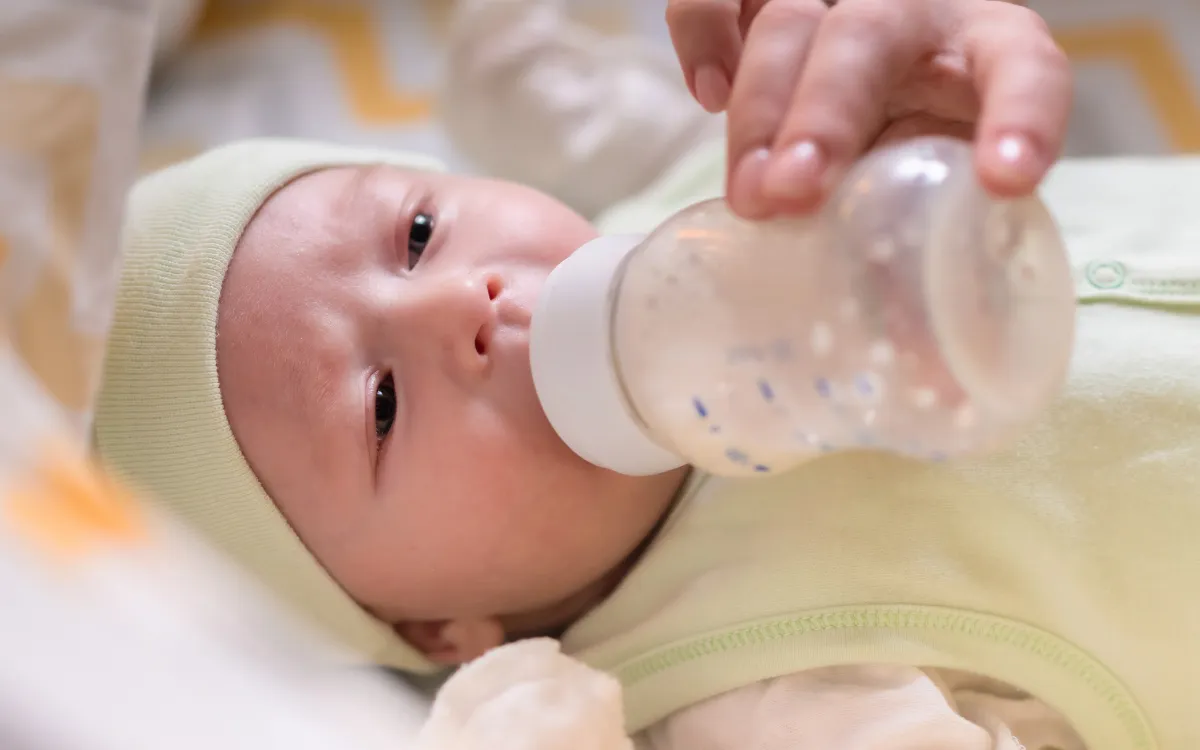
5. Your Baby Is Unfamiliar With Bottle-Feeding
If your baby has exclusively breastfed, they may not immediately understand how to feed from a bottle. Bottle-feeding involves a different nipple, sucking pattern, and milk flow.
Introducing a bottle for the first time shortly before returning to work can make the transition more stressful for everyone.
What to try:
- If possible, introduce occasional bottle practice before you need regular bottle-feeding.
- Offer small amounts of expressed breast milk for practice rather than expecting your baby to finish a full bottle.
- Keep sessions brief and relaxed.
- Let your baby become familiar with the bottle nipple without forcing them to suck.
There is no single perfect age for every baby to learn to take a bottle. If you plan to use bottles regularly, starting practice well before a major schedule change can give you more time to work through challenges.
6. Your Baby May Not Like the Temperature or Taste of the Milk
Some babies appear to prefer milk at a temperature closer to freshly expressed breast milk. Others accept refrigerated milk without difficulty.
If you are offering stored breast milk, differences in taste or smell may also play a role. Occasionally, stored milk develops a soapy or metallic smell or taste due to changes in its fats during storage. This can happen even when the milk has been handled safely.
What to try:
- Experiment with offering breast milk at room temperature or gently warmed, if appropriate.
- If your baby refuses stored milk but accepts freshly expressed milk, consider whether taste or storage may be contributing.
- Warm a bottle in a bowl of warm water or with a bottle warmer; never microwave breast milk.
- Check milk storage and handling guidance to ensure the milk is safe to use.
If your baby refuses all bottles, temperature or taste may not be the main issue.
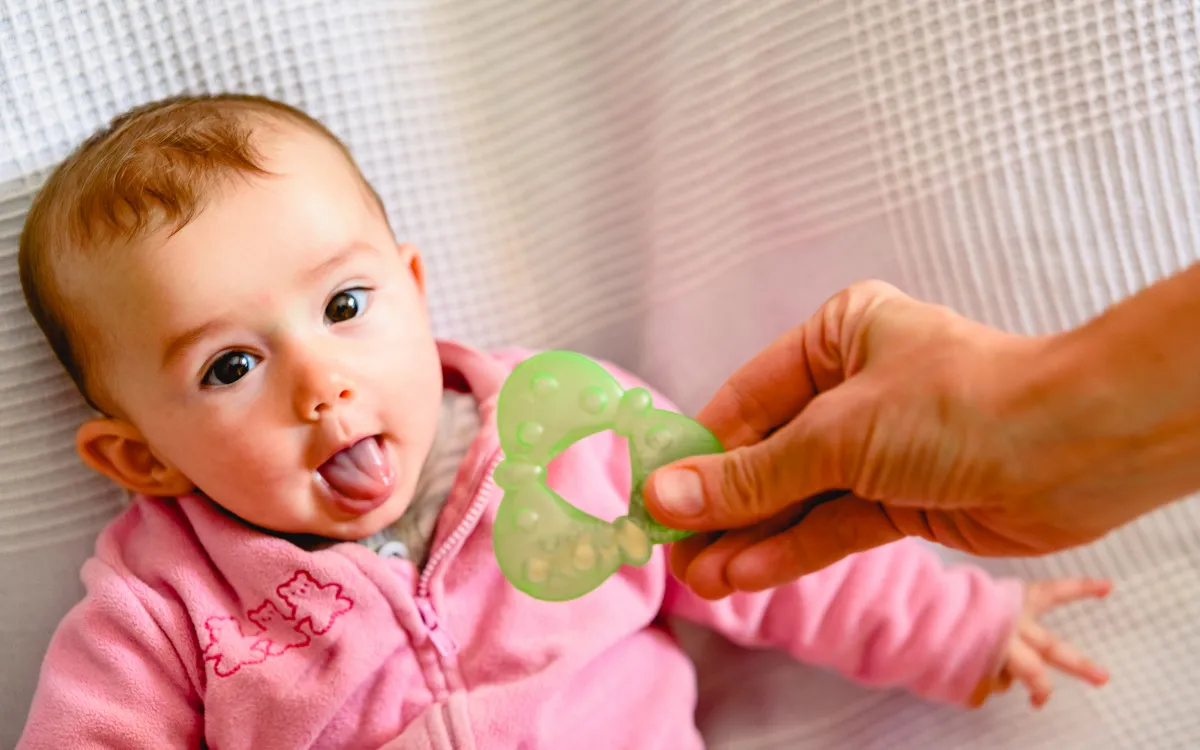
7. Your Baby Is Teething, Sick, or Uncomfortable
Bottle refusal can sometimes appear alongside other changes in feeding. Nasal congestion, illness, mouth discomfort, reflux-related symptoms, or other feeding difficulties may make sucking uncomfortable.
What to try:
- Notice whether your baby is also refusing the breast, feeding less than usual, or showing signs of discomfort.
- If your baby seems congested, ill, or uncomfortable during feeds, contact your pediatrician for guidance.
- Seek help if your baby repeatedly coughs, chokes, arches away from feeds, or struggles to coordinate sucking and swallowing.
A sudden change in feeding behavior deserves more attention than a baby who has always needed extra time to adjust to bottles.
How to Get a Breastfed Baby to Take a Bottle
If you are wondering how to get your breastfed baby to take a bottle, try this step-by-step approach.
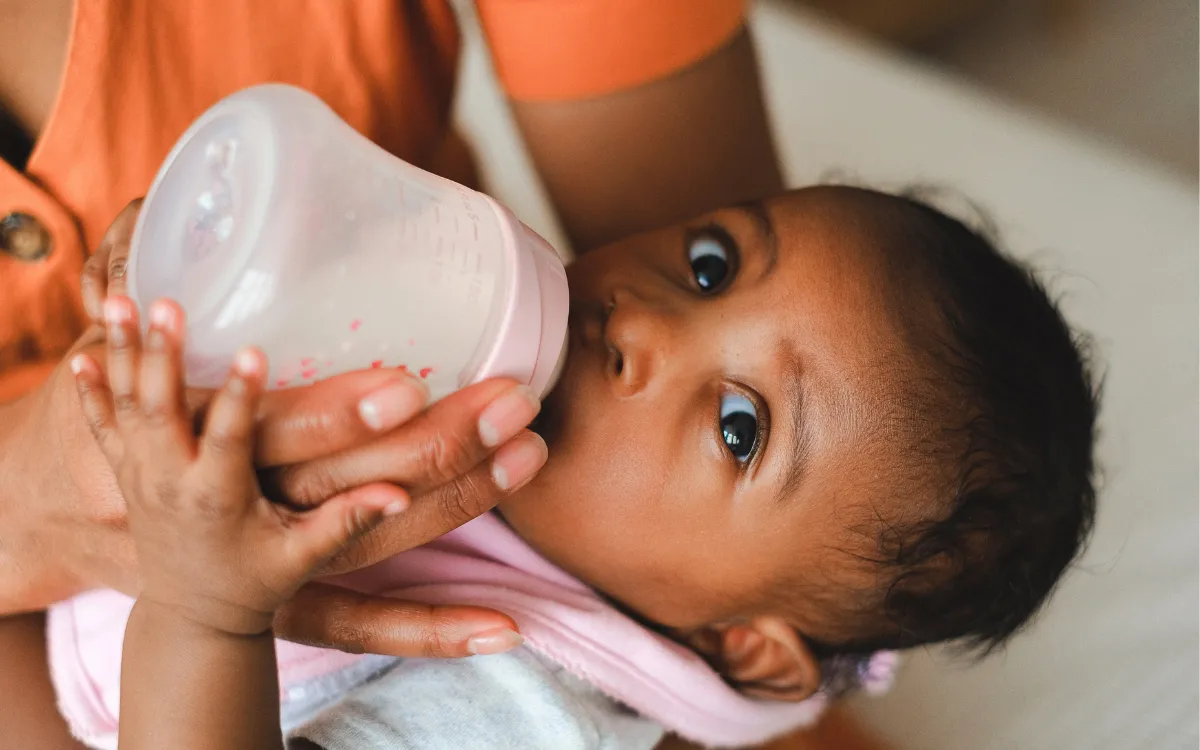
Step 1: Choose a Calm Time
Offer the bottle when your baby is awake, relaxed, and showing early hunger cues. Avoid starting when your baby is already crying or extremely hungry.
Step 2: Let Someone Else Offer the Bottle
If possible, ask your partner, family member, or another trusted caregiver to try. Your baby may expect to breastfeed when they smell or see you.
Step 3: Start With a Small Amount
Put a small amount of expressed breast milk in the bottle so you can practice without worrying about wasting a full feeding.
Step 4: Experiment With the Bottle and Position
Try a suitable slow-flow nipple and a supported, semi-upright feeding position. Hold the bottle relatively horizontally and allow your baby to pause as needed.
Step 5: Follow Your Baby's Cues
Let your baby open their mouth and accept the nipple rather than pushing it in. If your baby turns away, closes their mouth, cries, or becomes distressed, stop and offer comfort.
Step 6: Practice Without Pressure
Try again at another feeding opportunity. Short, positive experiences can be more helpful than repeated attempts that leave everyone upset.
Step 7: Make a Plan Before You Need It
If you are returning to work or will soon be away from your baby, begin planning ahead. Discuss how much milk your baby typically takes, how it will be stored and offered, and what the caregiver should do if your baby refuses a feed.
If your baby is young, has feeding difficulties, or has specific medical needs, ask your pediatrician or lactation consultant for individualized guidance.

What If My Baby Refuses a Bottle but Will Breastfeed?
If your baby refuses a bottle but breastfeeds normally, they may prefer nursing or need more practice with the bottle-feeding experience.
Continue breastfeeding as usual when you are together, and practice bottle-feeding in a relaxed environment when appropriate.
However, make sure your baby is receiving enough milk throughout the day. If you will be away for an extended period, work with your baby's caregiver and healthcare team on a plan to ensure your baby can feed safely and adequately.
If your baby is refusing both the breast and the bottle, feeding significantly less than usual, or showing signs of illness or dehydration, contact your pediatrician promptly.

What If My Baby Won't Take a Bottle Before I Return to Work?
Bottle refusal can feel especially stressful when you have a return-to-work date approaching.
If your baby is not taking a bottle yet, start with a practical plan rather than trying to solve everything in one day.
- Practice ahead of time. Give your baby opportunities to become familiar with bottle-feeding before your schedule changes.
- Coordinate with your caregiver. Share your baby's usual feeding cues, preferred soothing strategies, and bottle-feeding approach.
- Plan for expressed milk. If you are pumping, establish a comfortable pumping schedule and safe milk-storage routine.
- Talk through alternatives. Depending on your baby's age, developmental stage, and feeding skills, your healthcare team can help identify safe alternatives if bottle-feeding remains difficult.
Some babies need additional support to learn bottle-feeding, and that is okay. You can work toward a feeding plan that meets your baby's needs while supporting your own goals.
When Should I Get Help for Bottle Refusal?
Occasional bottle refusal is not always a cause for concern, particularly if your baby is otherwise feeding well, growing appropriately, and having their usual number of wet diapers.
However, seek help if your baby:
- Consistently refuses bottles or is unable to take enough milk.
- Has fewer wet diapers than usual or other signs of dehydration.
- Is not gaining weight as expected.
- Repeatedly coughs, chokes, gags, or struggles to breathe during feeds.
- Seems to experience pain or significant distress while feeding.
- Suddenly refuses both breast and bottle.
Seek urgent medical care if your baby has difficulty breathing, is unusually difficult to wake, or shows severe signs of dehydration. A rectal temperature of 100.4°F (38°C) or higher in a baby younger than 3 months also requires immediate medical evaluation.
Your pediatrician can assess your baby's health, hydration, and growth. A lactation consultant or feeding specialist can help evaluate feeding mechanics and develop a plan tailored to your baby.

You Don't Have to Figure Out Feeding Alone
Whether you are breastfeeding, pumping, introducing bottles, using formula, or combining feeding methods, feeding your baby can come with questions and unexpected challenges.
If your breastfed baby will not take a bottle, you do not have to navigate the process on your own. The right support can help you understand what may be happening, identify practical strategies, and build confidence in your feeding plan.
At SimpliFed, our compassionate lactation experts provide personalized feeding support for families throughout pregnancy and postpartum. We can help you work through bottle-feeding challenges, pumping questions, and other feeding concerns in a way that supports your family's needs.
Need help with bottle refusal or another feeding challenge? Connect with SimpliFed to get personalized lactation support.
Medical note: This article is for educational purposes and does not replace individualized medical advice. Contact your pediatrician if you are concerned about your baby's feeding, hydration, or growth.
If your breastfed baby refuses a bottle, you are not alone. Bottle refusal is common and can happen because your baby prefers breastfeeding, is unfamiliar with the bottle, dislikes the nipple flow, or finds bottle-feeding different from nursing. Try offering a bottle when your baby is calm, having someone else feed your baby, experimenting with bottle nipples, and using paced bottle-feeding techniques. Avoid forcing your baby to drink. If your baby consistently refuses feeds, has fewer wet diapers, or shows signs of dehydration or poor weight gain, contact your pediatrician. Meeting with a lactation consultant at SimpliFed can also help you develop a feeding plan that works for your family.
Key Takeaways
- Bottle refusal is common. Some breastfed babies need time and practice to become comfortable with a bottle.
- Timing matters. Offering a bottle when your baby is calm and showing early hunger cues may help.
- Try a different approach. The caregiver, bottle nipple, milk temperature, and feeding position can all affect your baby's willingness to feed.
- Keep feeding pressure-free. Forcing a bottle can make feeding more stressful and increase resistance.
- Get support when needed. Persistent bottle refusal, concerns about intake, or signs of dehydration deserve prompt attention.
SimpliFed Recommendation
If your breastfed baby will not take a bottle, start by making the experience calm, comfortable, and low-pressure. Try having another trusted caregiver offer a bottle while you are out of sight, and experiment with a few different feeding positions and bottle nipples. Use paced bottle-feeding to help your baby control the flow.
If bottle refusal continues, you do not have to figure it out alone. A lactation consultant can help assess your baby's feeding patterns, positioning, and bottle-feeding technique and help you build a plan that supports your feeding goals, whether you are breastfeeding, pumping, using formula, or combining feeding methods.
Why won't my breastfed baby take a bottle?
Your breastfed baby may prefer nursing, dislike the bottle nipple or milk flow, find the feeding position unfamiliar, or need more practice. Try offering a bottle when your baby is calm, having another trusted caregiver feed them, and using paced bottle-feeding techniques.
How do I get my breastfed baby to take a bottle?
Start with a calm, low-pressure feeding experience. Offer a small amount of expressed breast milk, try having another caregiver offer the bottle, and experiment with an appropriate slow-flow nipple. Follow your baby's cues and stop if they become distressed.
Should someone other than me give my breastfed baby a bottle?
It may help. Some babies are more willing to accept a bottle from a partner or another trusted caregiver because they associate the breastfeeding parent with nursing. However, every baby is different, and some need time regardless of who offers the bottle.
When should I introduce a bottle to a breastfed baby?
If you expect to use bottles regularly, introducing practice well before you need your baby to take a bottle consistently can help. The timing depends on your baby's age, feeding needs, and breastfeeding goals. Ask your pediatrician or lactation consultant for personalized advice, especially if your baby is premature or has feeding or growth concerns.
Will my baby eventually take a bottle?
Many babies learn to accept a bottle with practice, patience, and a comfortable feeding approach. However, there is no guarantee that every baby will accept every bottle or nipple. Persistent refusal may require individualized feeding support.
Should I let my baby cry until they take a bottle?
No. Do not force your baby to accept a bottle or withhold their usual feeding method to make them hungry enough to take one. If your baby becomes upset, pause, comfort them, and try again later. If intake is a concern, contact your pediatrician.
Can I put breast milk in a bottle if my baby prefers breastfeeding?
Yes. Expressed breast milk can be offered in a bottle if your baby is able to feed safely from one. You can experiment with milk temperature, bottle nipples, and feeding positions to see what works best for your baby.
What if my baby takes a bottle from someone else but not from me?
This is not unusual. Your baby may associate you with breastfeeding and expect to nurse when you are nearby. You can try offering the bottle in a different setting or having another caregiver continue to offer it. There is no need to stop breastfeeding to help your baby become familiar with bottle-feeding.
What if my baby refuses a bottle at daycare?
Start communicating with your caregiver before your first day away. Share your baby's usual feeding cues and the techniques that work best at home. If your baby continues to refuse feeds, work with your pediatrician and lactation consultant to create a safe plan that ensures adequate milk intake.
Can a lactation consultant help if my baby refuses a bottle?
Yes. A lactation consultant can help assess feeding patterns, positioning, bottle-feeding technique, and your baby's transition between breast and bottle. If there are concerns about swallowing, oral-motor skills, or feeding development, your baby may also benefit from an evaluation by a pediatric feeding specialist.