

Is Breastfeeding Supposed to Hurt? What New Parents Need to Know


Breastfeeding is often described as a natural experience, but that doesn't mean it always feels natural or comfortable right away. If you're experiencing nipple pain, soreness, tenderness, or discomfort during nursing, you may be wondering: Is breastfeeding supposed to hurt?
The short answer is that breastfeeding may feel unfamiliar or cause some mild tenderness in the beginning, but it should not be consistently painful. Ongoing pain, cracked or bleeding nipples, or discomfort throughout a feeding are signs that something may need attention.
The good news? Many common breastfeeding challenges can be addressed with the right support. Understanding what's causing your discomfort is the first step toward making feeding more comfortable for you and your baby.
5 Common Reasons Breastfeeding May Hurt
Breastfeeding pain can happen for several reasons. Identifying when the pain occurs, where you feel it, and what it feels like can help you understand what's going on.

1. Your Baby May Have a Shallow Latch
One of the most common causes of breastfeeding pain is a shallow latch.
When your baby latches onto only the nipple instead of taking a larger portion of breast tissue into their mouth, it can create friction and pressure. This may cause pinching, pulling, or sharp pain during nursing.
Signs of a shallow latch may include:
- Pain that continues throughout the feeding.
- Your nipple looks flattened, creased, or lipstick-shaped after nursing.
- Cracked, bruised, or bleeding nipples.
- Your baby frequently slips off the breast.
- Clicking sounds while your baby nurses.
What can help?
Try bringing your baby close to your body, with their nose aligned near your nipple. Wait for a wide-open mouth before bringing your baby to the breast, allowing them to take in more breast tissue.
A lactation consultant can observe a feeding and help you adjust positioning and latch technique.

2. Your Nipples Are Sore or Damaged
Nipple tenderness is common during the early days of breastfeeding, particularly as you and your baby learn to nurse together. However, persistent soreness, cracking, bleeding, or blistering may indicate nipple trauma.
Nipple damage can happen because of:
- A shallow or ineffective latch.
- Repeated friction during feeding.
- Incorrect use of a breast pump.
- Nipple irritation from moisture or skin products.
- Certain skin conditions.
What can help?
Addressing the underlying cause is important. If your baby has a shallow latch, applying nipple cream alone may not resolve the problem.
You can also:
- Allow nipples to air-dry after feeding.
- Avoid harsh soaps or products that may irritate the skin.
- Ask your lactation consultant about nipple-safe moisturizing options.
- Have your latch and pumping equipment evaluated.
If your nipples are cracked or bleeding, seek lactation support rather than assuming the discomfort is something you have to tolerate.
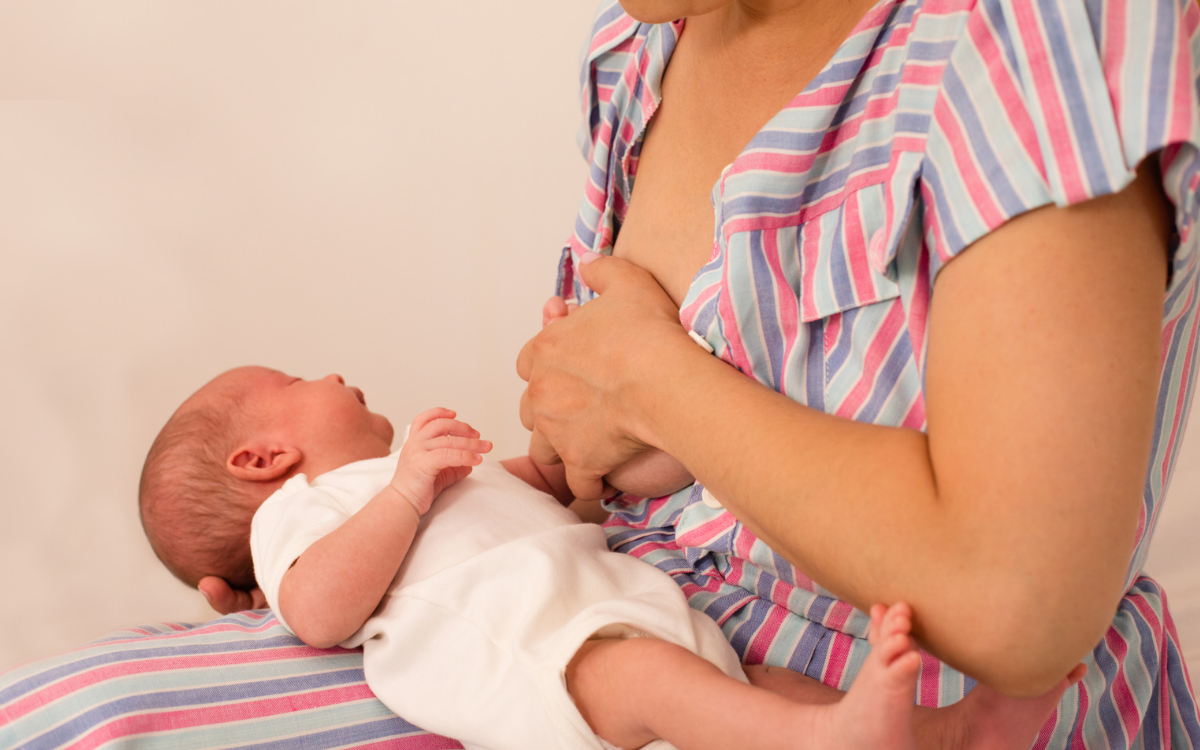
3. Your Breasts Are Engorged
Engorgement happens when your breasts become overly full with milk, fluid, and increased blood flow.
It commonly occurs when your milk supply increases in the first few days after delivery, but it can also happen later if feedings are missed or milk removal changes.
Signs of engorgement include:
- Breasts that feel very full, firm, or swollen.
- Tenderness or aching.
- Tight or shiny breast skin.
- Difficulty getting your baby to latch because the breast is too firm.
What can help?
Try feeding your baby regularly and following their hunger cues. If your breast is too firm for your baby to latch comfortably, gentle hand expression may soften the area around the nipple.
Cold compresses between feedings may also help reduce swelling and discomfort.
Avoid excessive pumping to empty your breasts, as this can contribute to increased milk production and ongoing engorgement.

4. You May Be Experiencing Nipple Vasospasm
Nipple vasospasm occurs when the blood vessels in your nipple temporarily narrow, reducing blood flow. This can cause significant discomfort during or after breastfeeding.
You may experience:
- Burning or shooting nipple pain.
- Throbbing or aching after a feeding.
- Nipples that turn white, purple, or red.
- Pain that worsens when exposed to cold temperatures.
Vasospasm can sometimes occur after nipple compression from a shallow latch or pumping.
What can help?
Keeping your nipples warm after feeding may help reduce discomfort. Addressing any underlying latch or pumping issues is also important.
If you experience recurring burning or shooting pain, talk with your healthcare provider. They can help determine whether vasospasm or another condition may be contributing to your symptoms.

5. You May Have a Plugged Duct or Mastitis
Breast inflammation can also cause pain while breastfeeding.
A plugged duct, often better described as localized ductal narrowing or inflammation, may cause a tender area or lump in the breast.
Mastitis is inflammation of breast tissue that can sometimes involve a bacterial infection.
Symptoms may include:
- A tender or swollen area of the breast.
- Redness or warmth.
- Breast pain.
- Fever, chills, or flu-like symptoms.
What can help?
Continue feeding in a way that is comfortable for you and your baby. Cold compresses and anti-inflammatory medication, when appropriate for you, may help with inflammation.
Avoid deep breast massage or aggressive attempts to clear a lump, as these can worsen inflammation.
If you develop a fever, feel unwell, or have worsening breast redness or pain, contact your healthcare provider promptly. Mastitis may require medical treatment.
Does Breastfeeding Hurt More in the Beginning?
It can.
During the first few days and weeks, your body is adjusting to milk production, and you and your baby are learning how to breastfeed together.
Some mild nipple sensitivity at the beginning of a feeding may occur as you adjust. However, pain should not be severe, persist throughout the feeding, or continue to worsen.
As breastfeeding becomes more established, feeding should generally become more comfortable.
If you're experiencing pain that makes you dread nursing, it's worth getting help early. You do not need to wait until the pain becomes unbearable.
What Should Breastfeeding Feel Like?
Every breastfeeding experience is different, but nursing should generally feel comfortable.
You may notice:
- A gentle tugging sensation as your baby sucks.
- Pressure as your baby latches.
- A feeling of fullness or milk release during letdown.
- Mild tenderness during the early adjustment period.
You should not regularly experience:
- Sharp, pinching, or stabbing pain.
- Burning throughout or after every feeding.
- Cracked or bleeding nipples.
- Persistent breast pain.
- Significant discomfort that makes you want to stop feeding.
If something doesn't feel right, trust your instincts and seek support.

How Can You Make Breastfeeding More Comfortable?
If you're experiencing discomfort, there are several steps you can take to help improve your breastfeeding experience.
1. Check your baby's latch.
A comfortable, effective latch is one of the most important parts of breastfeeding. If you're experiencing pain, have a lactation consultant observe a feeding.
2. Experiment with different nursing positions.
Positions like the cross-cradle, football hold, and laid-back position may help you find a more comfortable way to nurse.
3. Make sure your breast pump fits properly.
If you're pumping in addition to breastfeeding, incorrect flange sizing or excessive suction can contribute to nipple discomfort and damage.
4. Avoid waiting too long between feedings.
Following your baby's hunger cues and feeding regularly can help prevent excessive breast fullness.
5. Get support early.
You don't have to wait until breastfeeding becomes unbearable to ask for help. A lactation expert can help identify what's causing discomfort and offer personalized recommendations.
When Should You Seek Help for Breastfeeding Pain?
Breastfeeding pain is worth addressing, especially if it is persistent or interfering with your ability to feed your baby.
Consider reaching out to a lactation consultant if:
- Your nipples hurt during every feeding.
- You have cracked, bleeding, or blistered nipples.
- Your baby struggles to latch or stay latched.
- You experience recurring breast discomfort.
- You're worried your baby isn't getting enough milk.
- You're considering stopping breastfeeding because of pain.
Contact your healthcare provider promptly if you have a fever, chills, worsening breast redness, significant swelling, or flu-like symptoms.
If your baby is not feeding effectively, has fewer wet diapers than expected, or isn't gaining weight appropriately, contact your pediatrician.
SimpliFed Recommendation: Breastfeeding Shouldn't Be Something You Have to Push Through
Breastfeeding is a learning experience for both you and your baby. While some adjustment is normal, ongoing pain is a sign that you deserve additional support.
At SimpliFed, our lactation experts provide personalized, virtual support to help you navigate breastfeeding challenges, improve comfort, and feel more confident in your feeding journey.
Whether you're dealing with a painful latch, nipple soreness, pumping discomfort, or questions about milk supply, you don't have to figure it out alone.
You deserve to feel supported, comfortable, and confident as you feed your baby.
Breastfeeding should not be consistently painful. Some nipple sensitivity or mild tenderness can occur during the early days as you and your baby adjust to nursing. However, significant or ongoing pain is not something you should have to push through.
Common causes of breastfeeding pain include:
- Shallow latch: Your baby may not be taking enough breast tissue into their mouth.
- Nipple damage: Cracked, blistered, or irritated nipples can cause pain during and between feeds.
- Engorgement: Full, swollen breasts can make latching uncomfortable.
- Nipple vasospasm: Blood vessel spasms can cause burning pain or color changes in the nipple.
- Plugged ducts or mastitis: Breast inflammation can cause tenderness, swelling, and pain.
- Pumping-related discomfort: Incorrect flange sizing or excessive suction can cause nipple pain.
If breastfeeding hurts consistently, a lactation consultant can help identify the cause and develop a plan to improve comfort.
Should breastfeeding hurt for the first few weeks?
Some mild nipple sensitivity can happen during the early weeks as you and your baby adjust. However, significant or persistent pain is not considered a normal part of breastfeeding. If pain continues, seek help identifying the cause.
Why do my nipples hurt when my baby first latches?
Pain at the beginning of a feeding may be related to a shallow latch, nipple compression, or existing nipple damage. If the pain doesn't improve after the initial latch or happens consistently, a lactation consultant can help evaluate what's happening.
Is it normal for breastfeeding to hurt on one side but not the other?
Yes, discomfort can affect one breast more than the other. Differences in positioning, latch, nipple anatomy, milk flow, or breast inflammation may contribute. Persistent one-sided pain should be evaluated.
Why do my breasts hurt after breastfeeding?
Pain after nursing may be related to nipple trauma, vasospasm, breast inflammation, or engorgement. Burning or shooting pain, in particular, is worth discussing with a healthcare professional.
Should I stop breastfeeding if it hurts?
Not necessarily. Many causes of breastfeeding pain can be addressed with the right support. However, you should not feel obligated to continue through significant pain. A lactation consultant can help you explore ways to make feeding more comfortable, including breastfeeding, pumping, or combination feeding.
Can a lactation consultant help with breastfeeding pain?
Absolutely! A lactation consultant can observe a feeding, assess your baby's latch, discuss positioning, evaluate pumping equipment, and help identify potential causes of discomfort. They can also recommend when additional medical evaluation may be needed.